













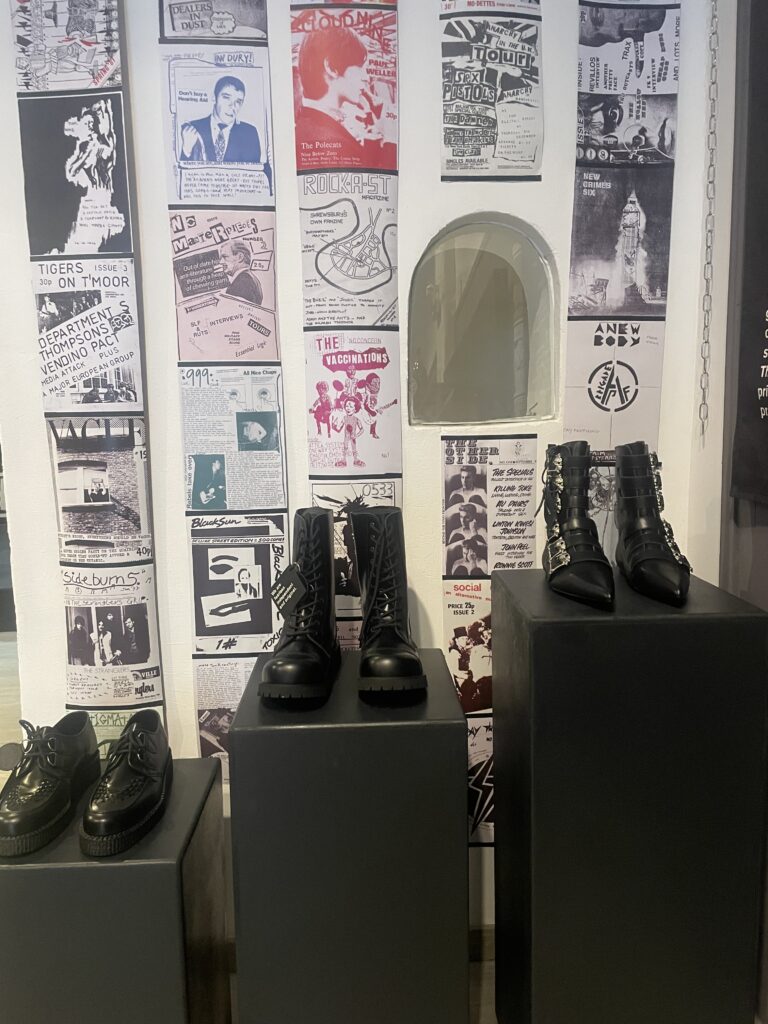







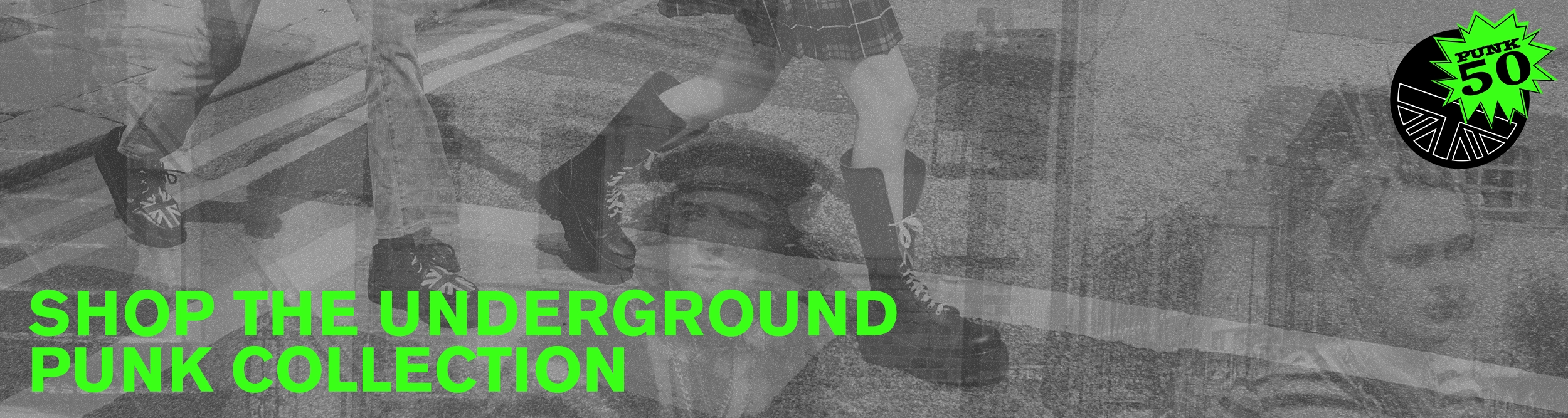
PUNK 50 marks fifty years since the emergence of punk in the UK, a cultural rupture that fundamentally altered music, dress, publishing, and modes of independent production across the world. For Underground, punk is not a retrospective theme but an enduring framework.
Established within British subculture, we have maintained a consistent commitment to punk and the wider underground movement over decades, independent of shifting trends or anniversary cycles. As 2026 renews global attention on punk’s legacy, PUNK 50 situates Underground as an active cultural agent, linking punk’s historical origins to its continued relevance through product, discourse, and lived cultural practice.
PUNK 50: Fifty Years of Punk. Not Revisited, Continued.
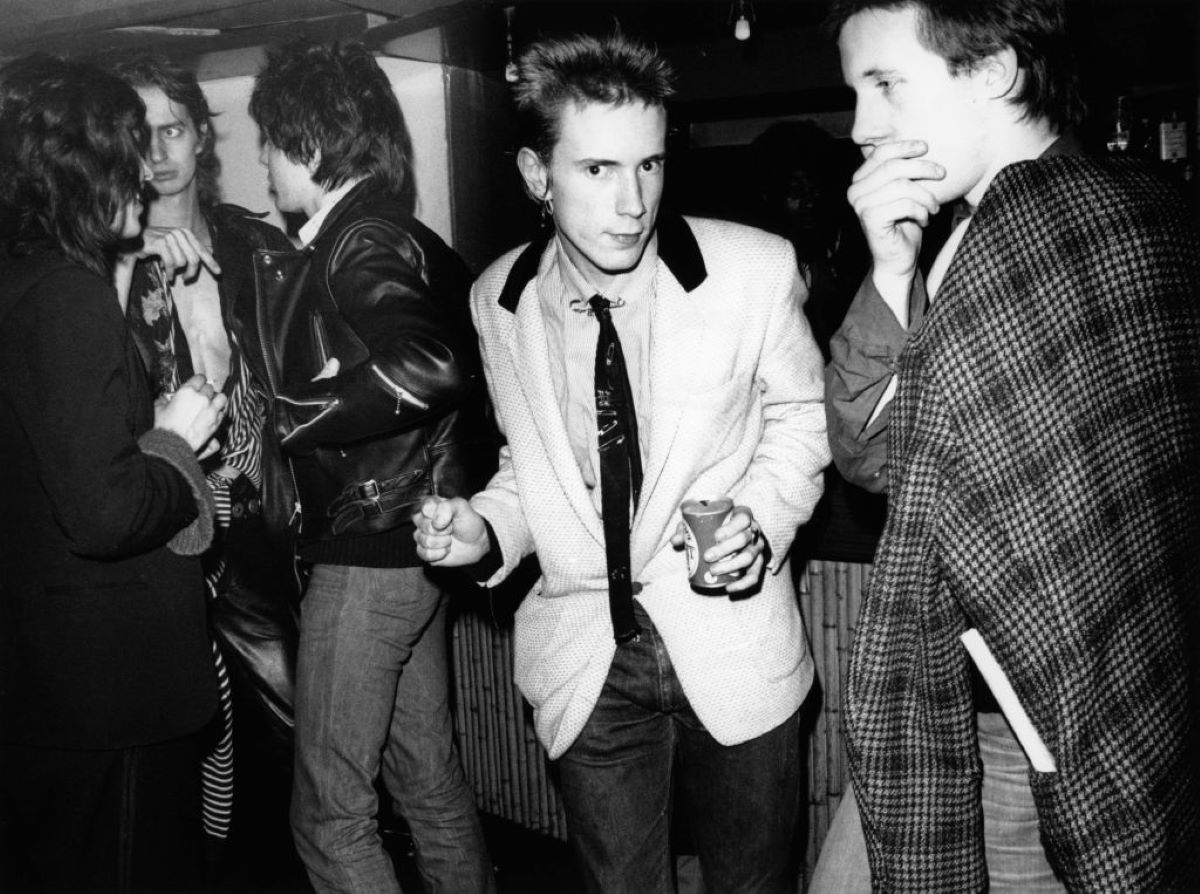
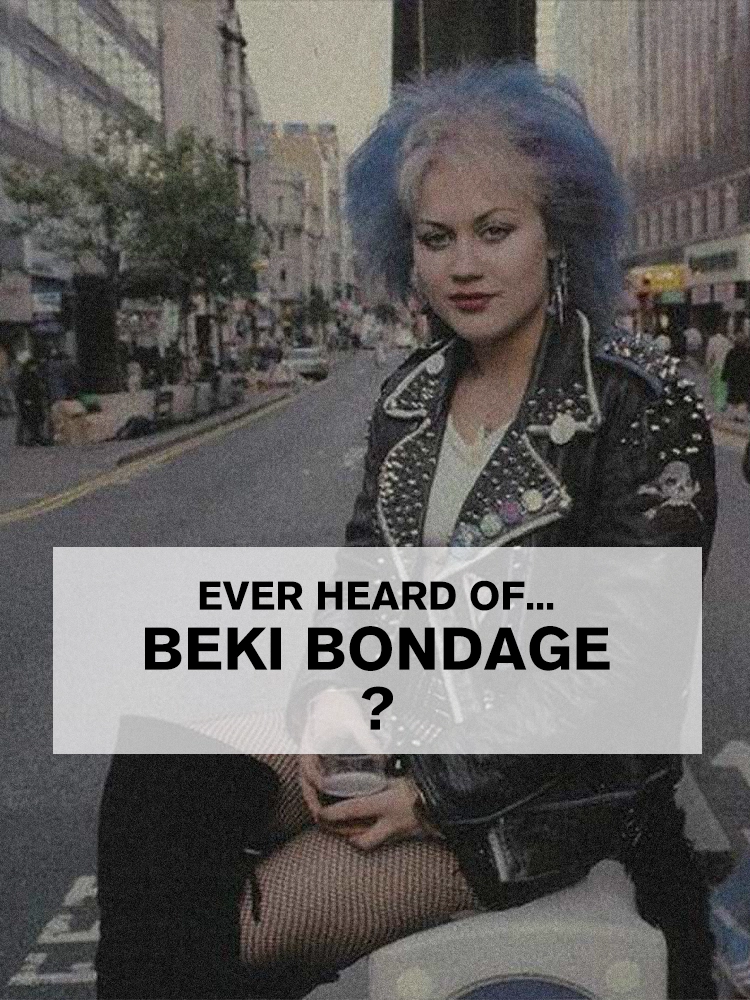
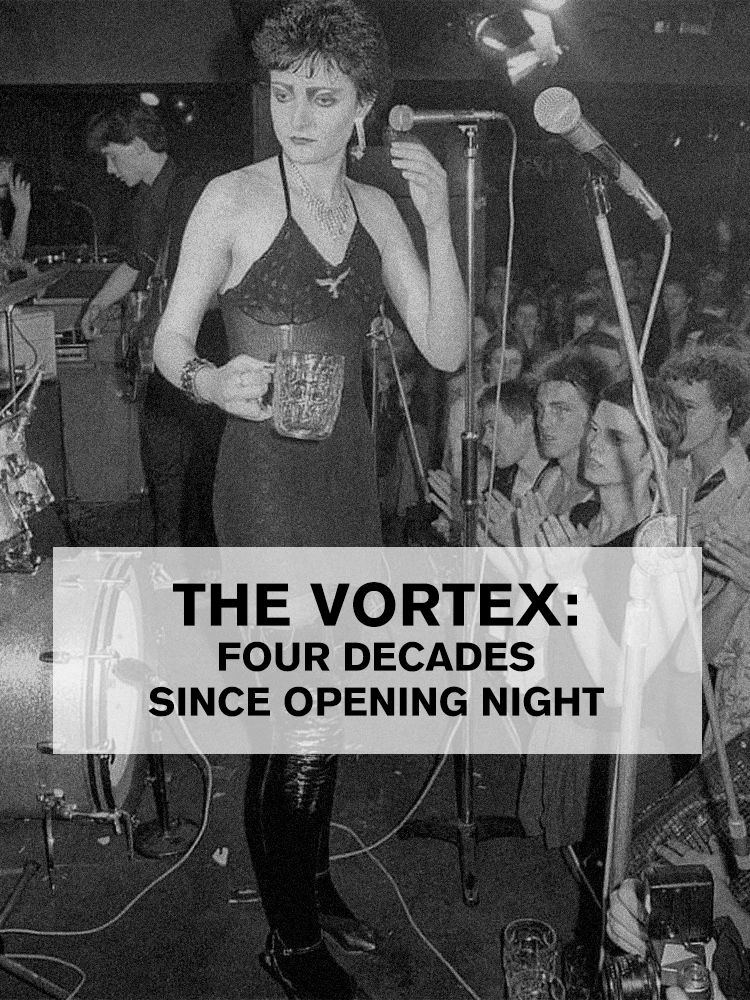
Punk opened the door and hordes of youth trampled their way through taking their one last chance to dance in the spotlight glare of pop culture.
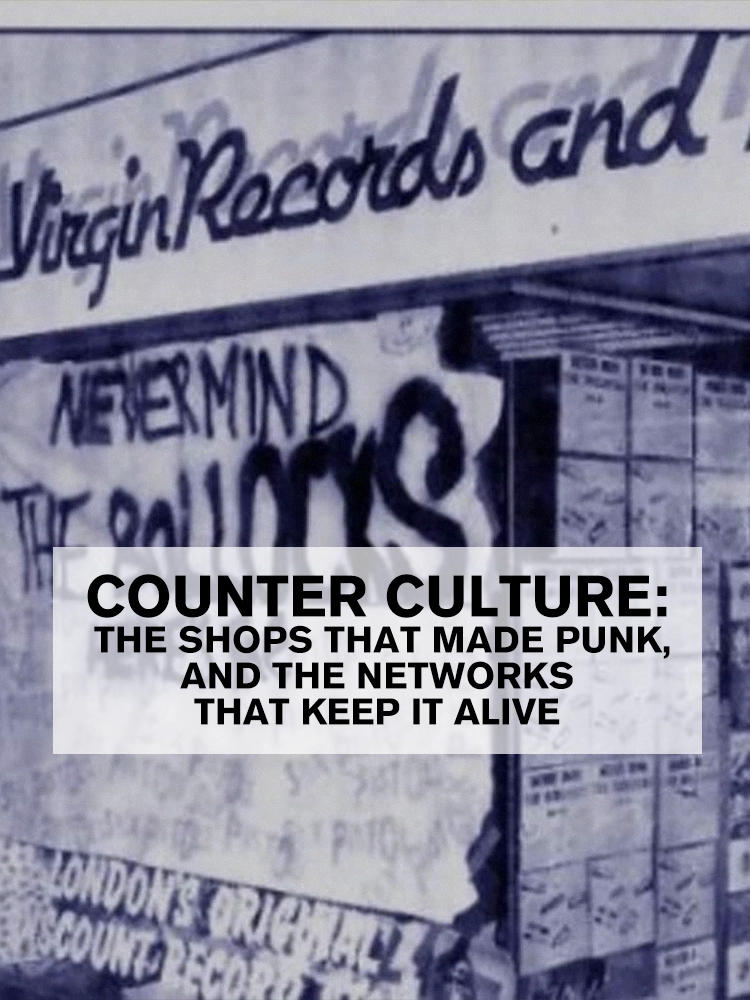
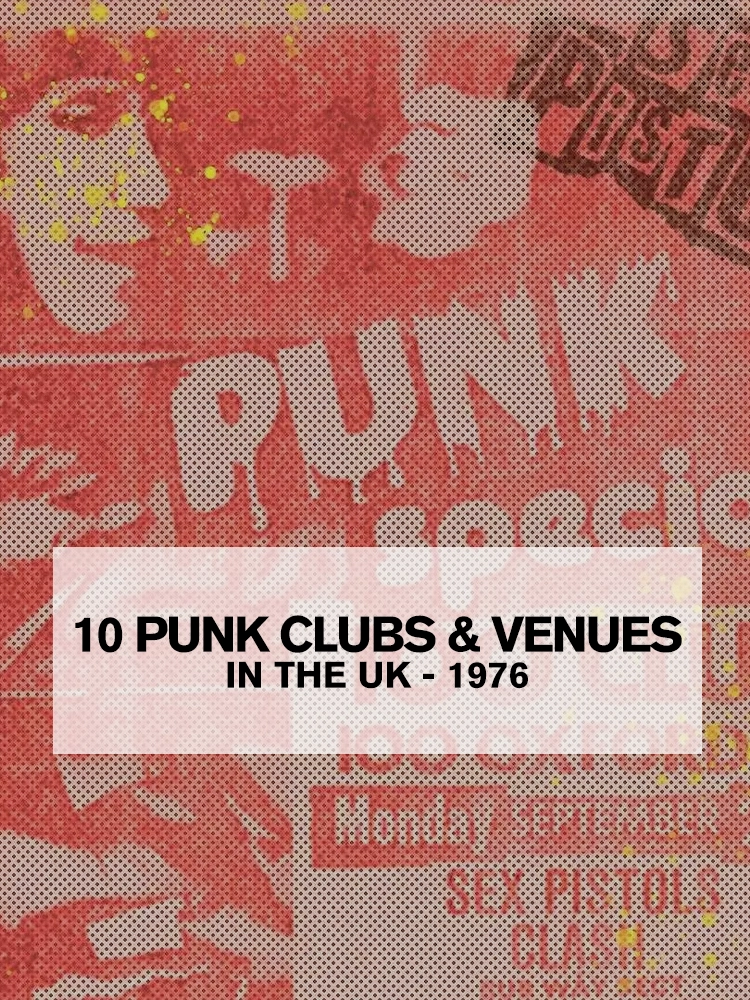
Read the full account of Punk in 1976 by John Robb on our subculture blog
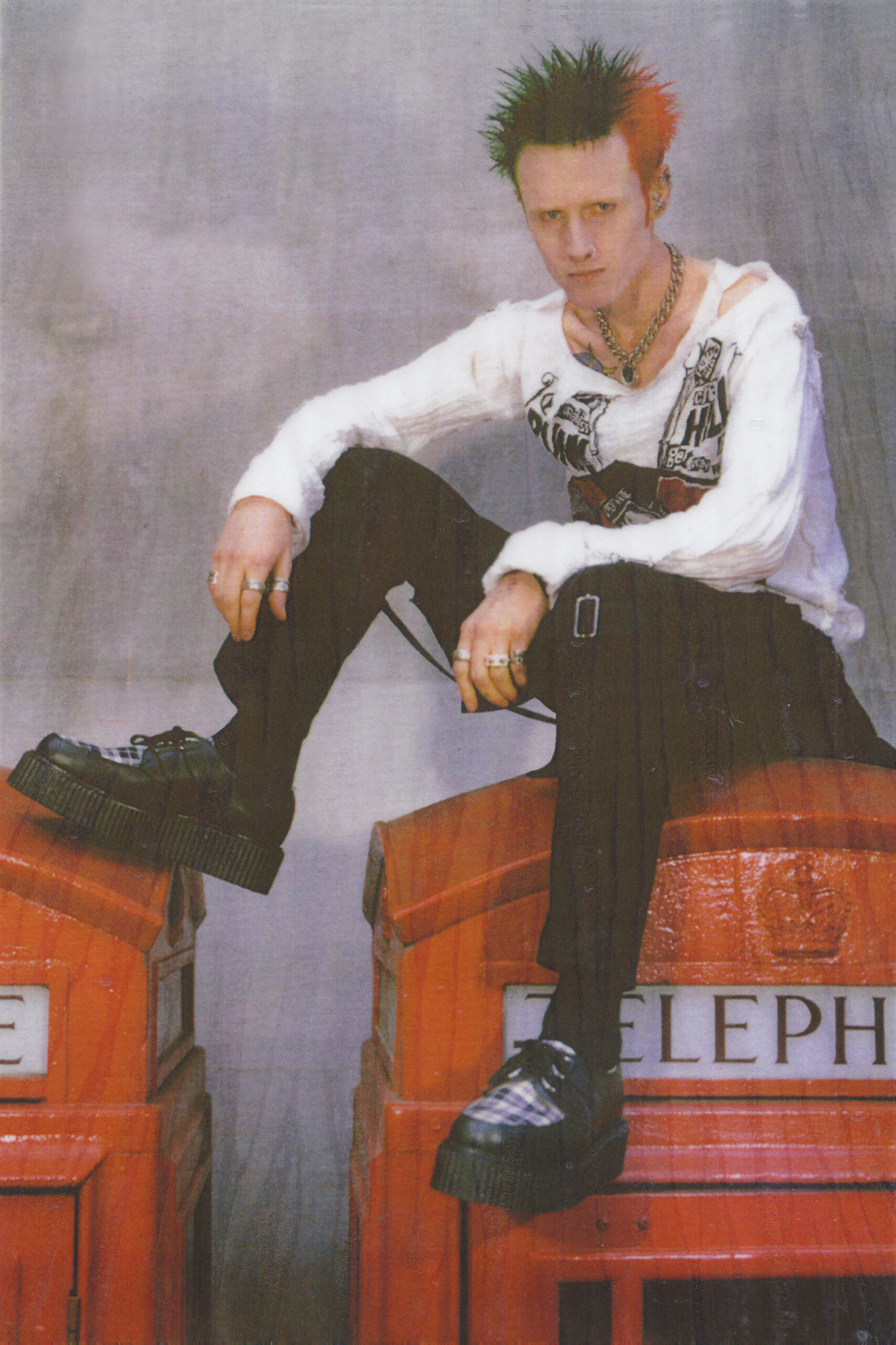
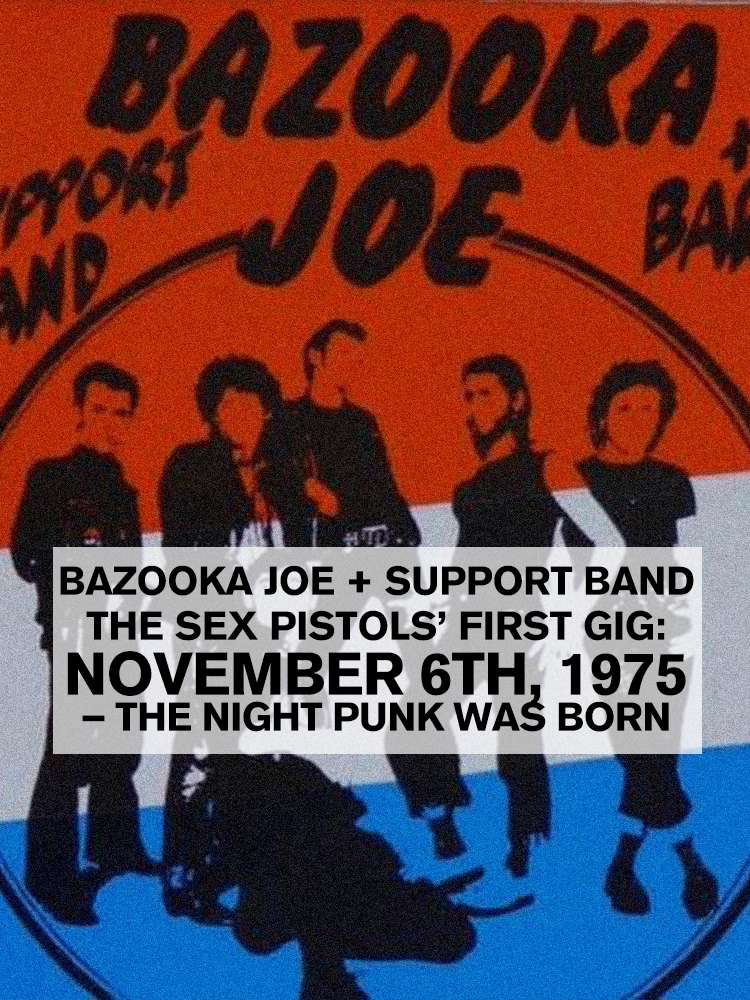
Read the full account of Punk in 2026 by John Robb on our subculture blog
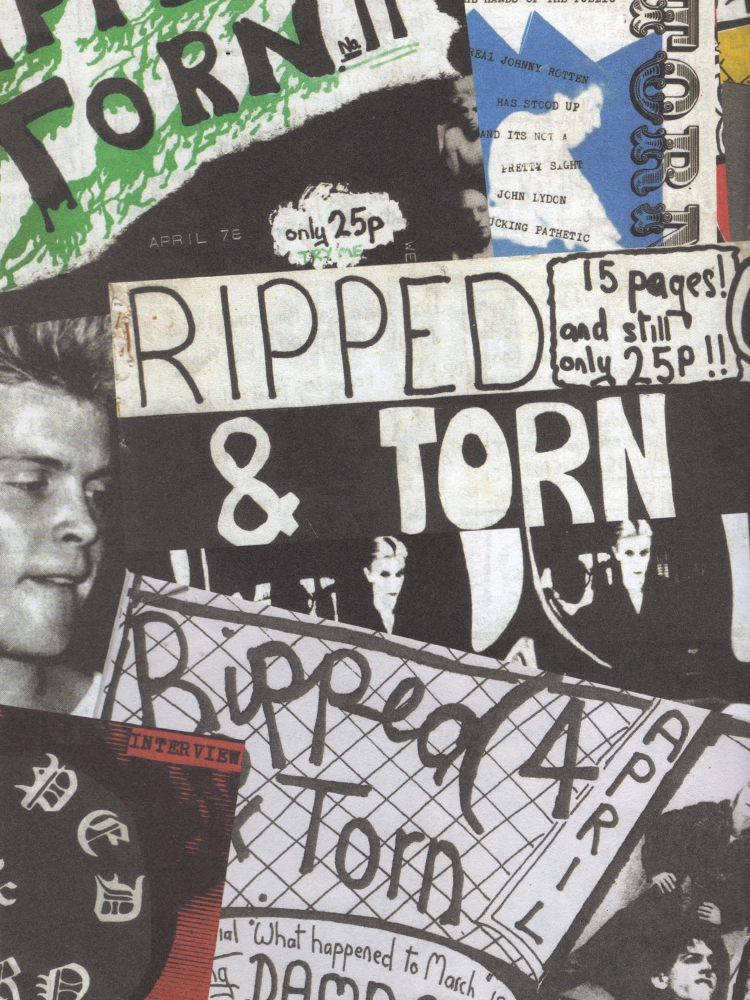
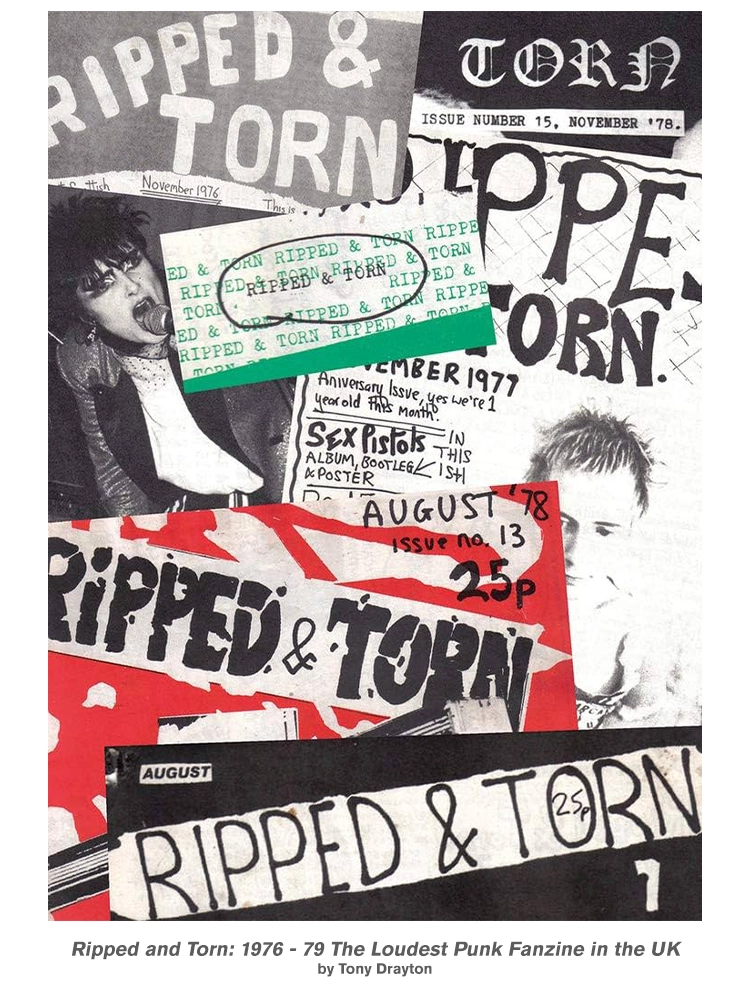
UNDER STUDY 01: RIPPED & TORN
Tony Drayton and the Printed Surface of Punk (1976–1979)
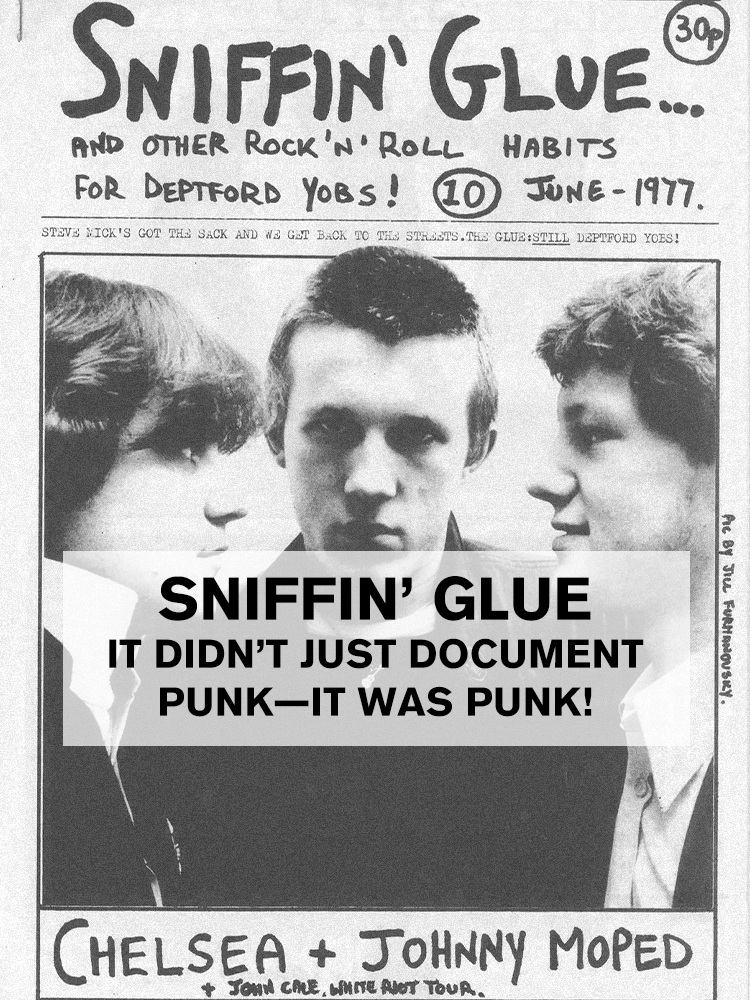
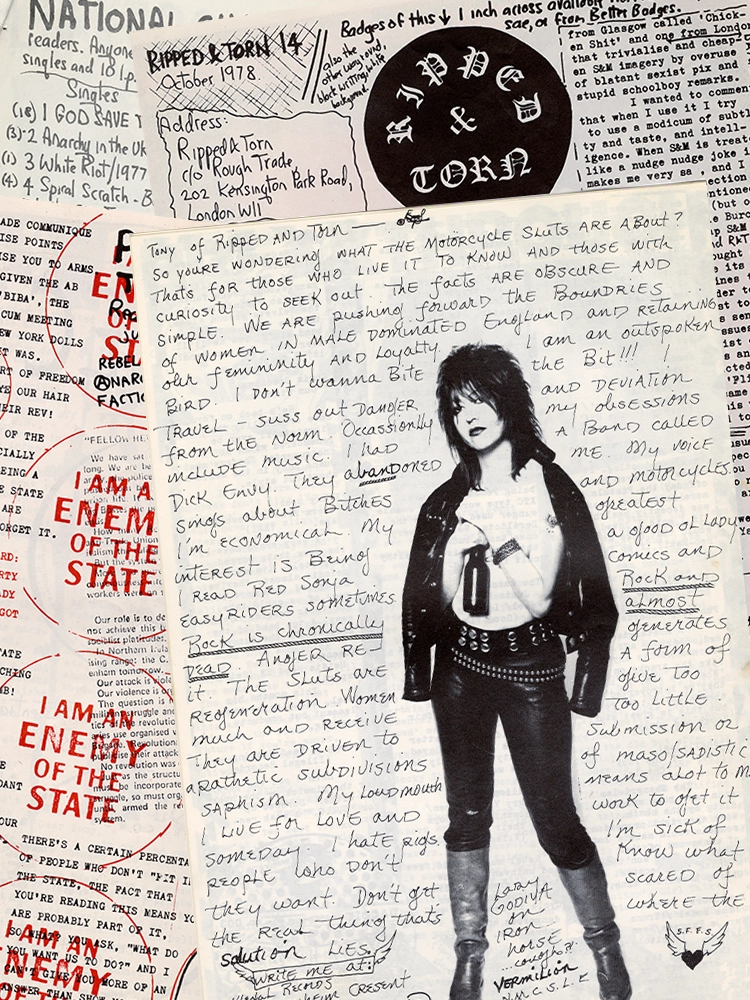
As part of Punk 50, UNDER presents STUDY 01: RIPPED & TORN, an exploration of one of the most important publications to emerge from the original UK punk movement.
Developed with Tony Drayton, founder and editor of Ripped & Torn, the project examines the role of fanzines in shaping punk’s visual and cultural language. Through original archive material, graphics, photography, film and a curated series of garments and objects, the study traces how independent publishing helped define a generation.
The event will feature archive displays, exhibition material and the first public presentation of the UNDER STUDY 01 project.
Date and venue to be announced.
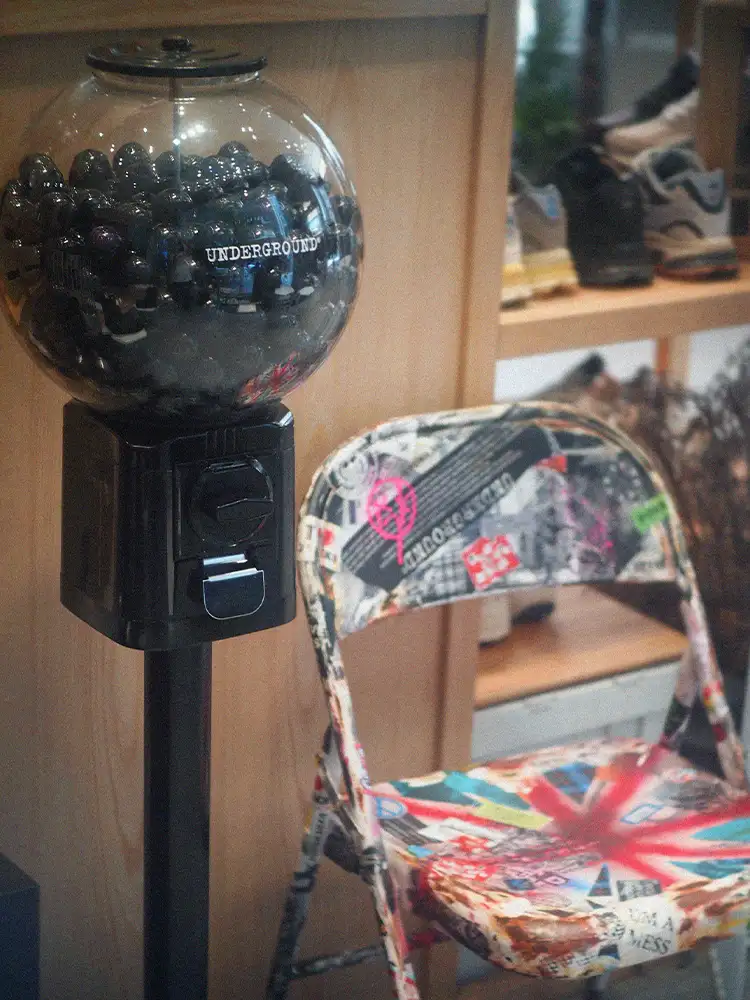
PUNK 50 extends beyond product into a global programme of live moments and cultural exchanges. Across the year, Underground Brand Outposts and other selected locations will host exhibitions, in-store events, pop-ups and collaborations that connect local scenes to punk’s wider international legacy.
From photography shows and publishing launches to live music, talks and spontaneous performances, these activations are designed to be lived, not observed.
Each event reflects punk’s original DIY ethos: temporary, disruptive and rooted in community, linking fifty years of punk history to what is happening now, worldwide.
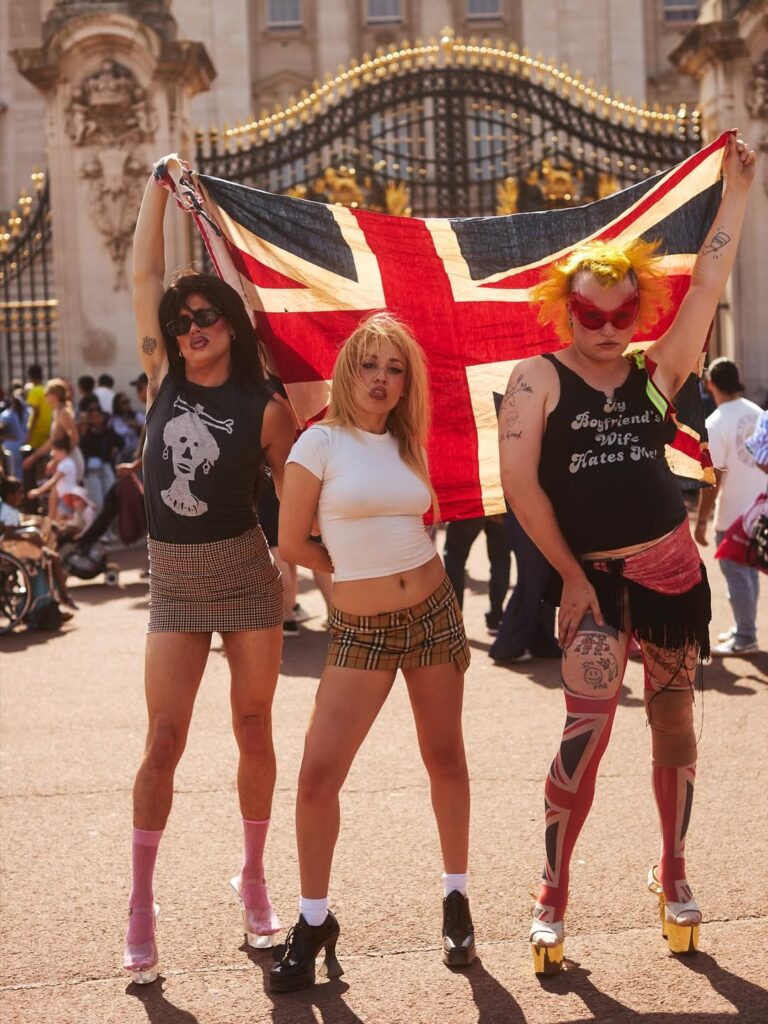
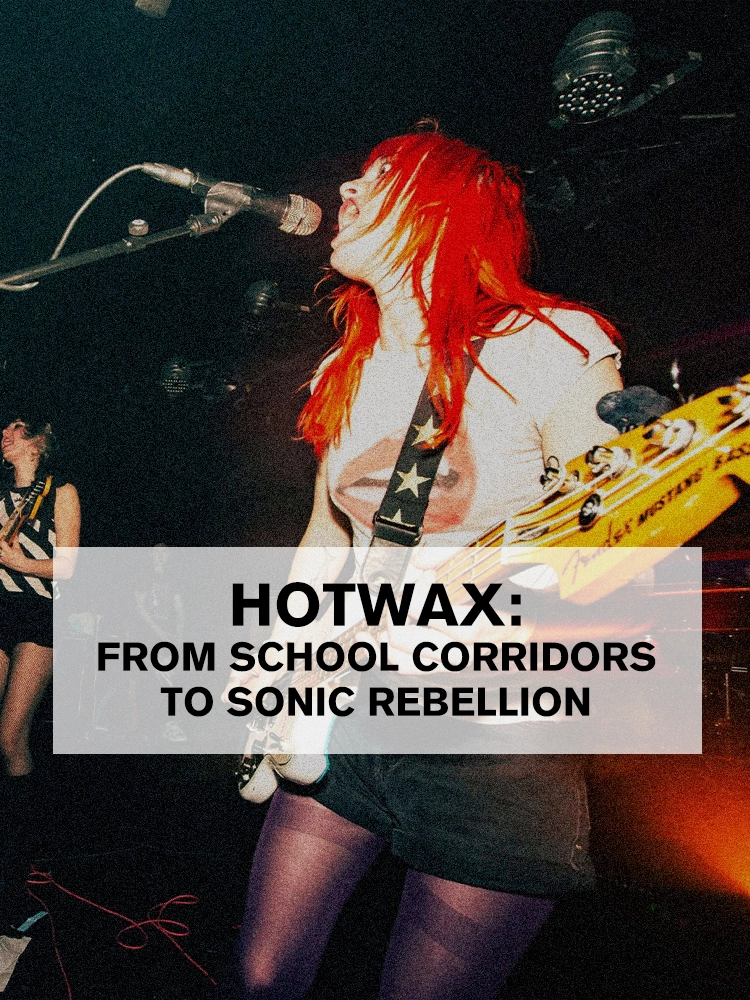
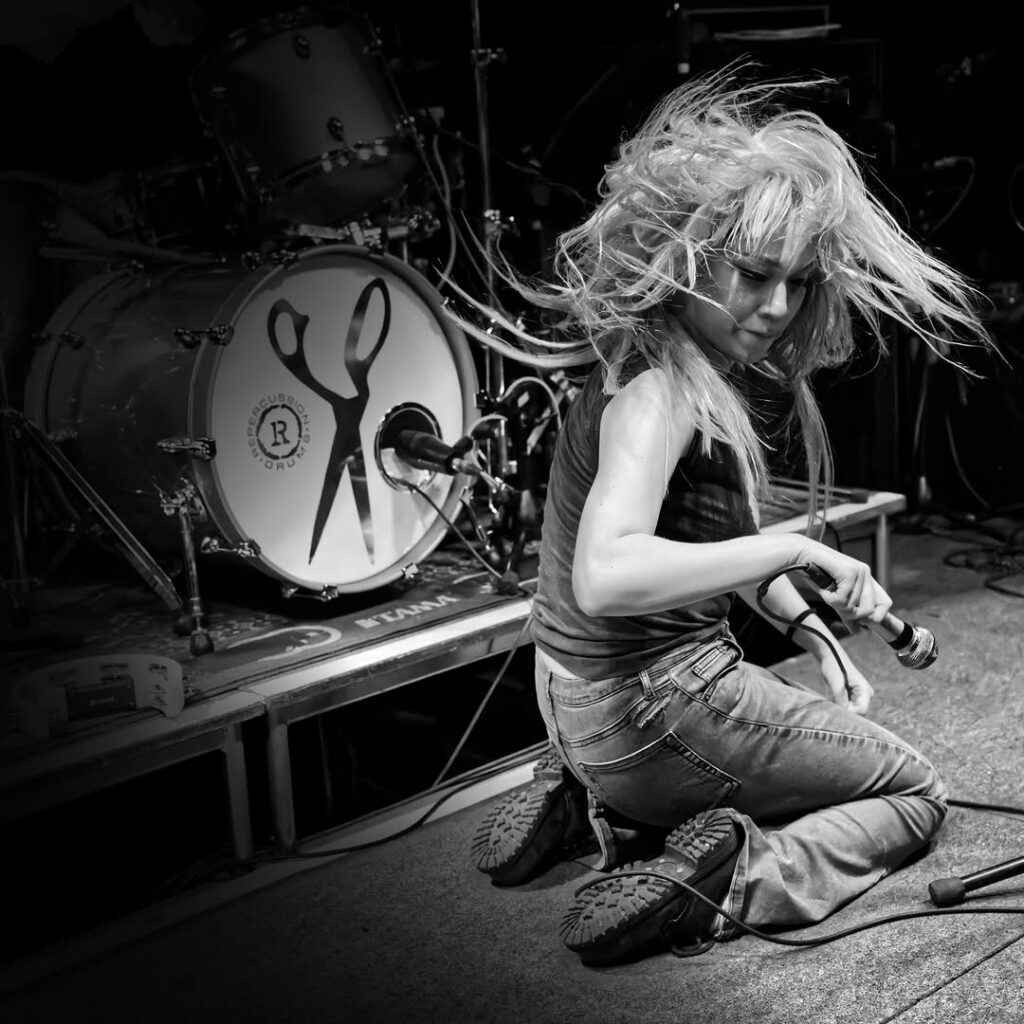
RARE DOINGS 004 – Vespers Club, Peckham, London May 14th 2026
Part of Underground’s Punk 50 programme, Rare Doings 004 is about action, not nostalgia. In collaboration with Dash The Henge, Rare Doings is a monthly live showcase supporting independent artists, where it actually exists: in front of real audiences.
Edition 004 is Punk inspired and features Jeanie and the White Boys, Luxury Apartments, and HyperDense, three acts pushing raw, contemporary sound.
Underground isn’t looking back. We’re backing what’s happening now.
Photo credit Ant Turner
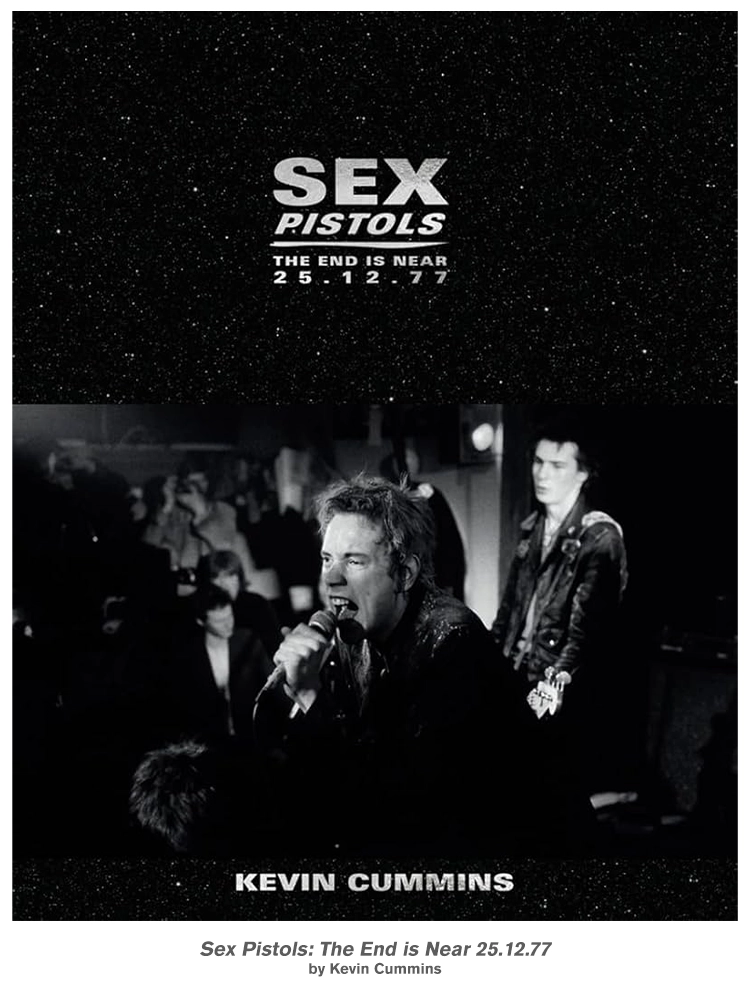
Subculture and music sit at the core of Underground, and nowhere is this clearer than our commitment to punk books and zines. Printed matter was punk’s original infrastructure: photocopied manifestos, stapled zines, dog-eared paperbacks passed hand to hand.
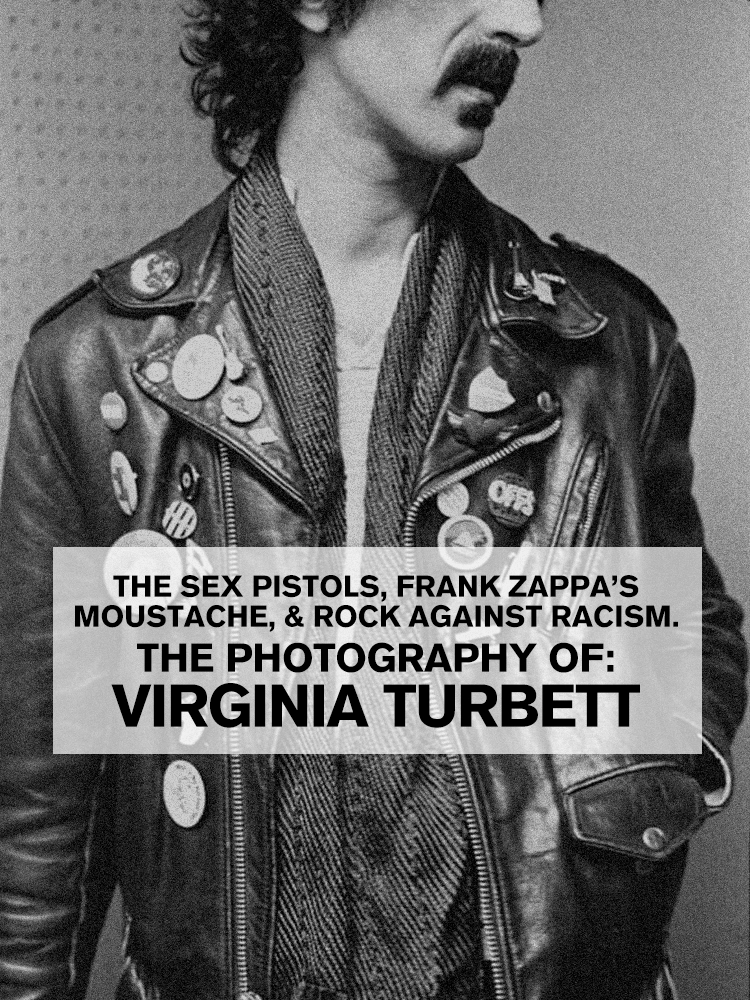
For PUNK 50, this section foregrounds that raw, independent tradition. We curate works that document rebellion from the inside out, from iconic punk photography and first-hand histories to zines ripped, torn and urgently produced. Featuring voices such as Jon Savage, Simon Reynolds and photographers including Dennis Morris, this is a living punk library: opinionated, limited, and defiantly anti-polished.
New punk books and publications will be added and curated throughout the year.
From product stock to Worldwide destinations
Including UK, Europe, Australia, Brunei, Canada, Hong Kong, Indonesia, Japan, Macao, Malaysia, Mexico, New Zealand, Phillipines, Singapore, South Korea, Thailand, Taiwan, Vietnam, USA