

Study 001 UNDER ARCHIVE: ORIGINS (2013)
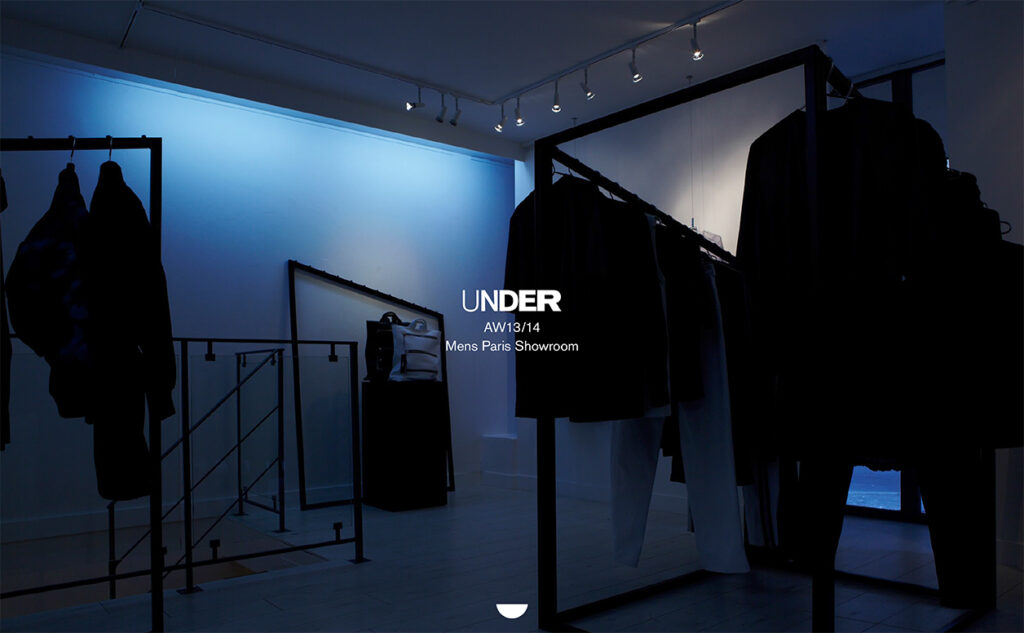
Study 001 UNDER ARCHIVE: ORIGINS (2013)
The first UNDER study grew out of the reappraisal of Underground that began with the brand’s reworking in 2012. Central to that process was a deceptively simple question: what does Underground actually mean, and what does it stand for?
We arrived at the idea that the underground, by definition, can never be fixed. Once something becomes known, absorbed or established, it is no longer truly underground; something else is already forming to take its place. There can therefore never be a definitive conclusion as to what the underground is. It is continually forming, reforming and resisting definition.
It is this process that fascinates us. The search for what exists beneath the surface, what has been overlooked and what has yet to emerge.
The Underground is Never Known.
THE CONCEPT
Never Known became the documentary layer of Underground: a way of looking beyond what is immediately visible to explore how culture and subculture come into existence.
At its heart is the belief that there are things that have existed all along but remain unseen: hidden histories, overlooked people, untold stories, forgotten places and secrets in plain sight. Never Known is an invitation to look closer and discover them.
Sometimes that process leads us towards a particular subject that demands a deeper investigation. When it does, it becomes an UNDER Study.
Study 001 began with a question: how could the visual and material language of subculture be translated into contemporary luxury fashion?
THE RESEARCH PROCESS
The starting point was material, colour, print and construction.
There was no shortage of reference. Decades of subculture had created an extraordinary visual and material vocabulary. The challenge was not to reproduce it, but to understand which elements could be taken from their original context and reinterpreted.
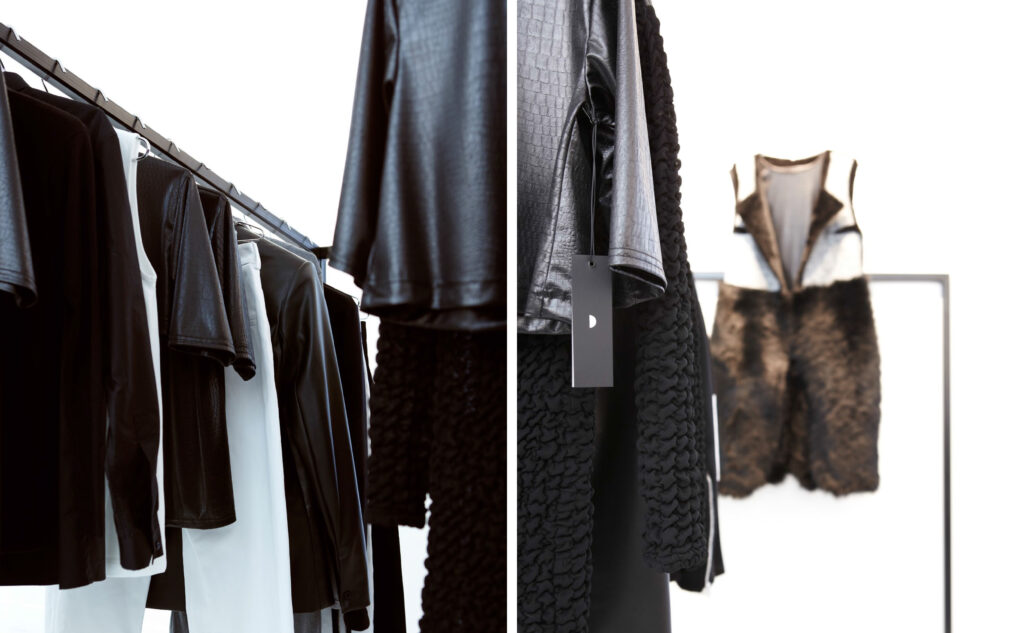
We looked particularly at materials closely associated with punk and post-punk clothing: PVC and latex, the distressed surfaces of leather jackets, and the texture and deliberate imperfection of mohair knitwear. These were materials that had frequently been appropriated, customised and transformed by designers, musicians and wearers themselves.
Study 001 explored what happened when that vocabulary was moved into another context, reconsidered through different pattern cutting, fabrication, finishing and manufacture.
The intention was not nostalgia. It was reappropriation.
INTERVIEW
We sat down with designer Sam Membury to revisit Study 001, looking back at the development of the collection, its references and the design decisions that shaped the project.
The conversation provides a first-hand account of how the research moved from reference and experimentation into finished pieces, and how the tension between subculture and luxury informed the collection.
UNDER: What was the original idea behind the project?
Sam Membury:
The starting point was really the work that had already been happening around Underground and the question of what the brand represented. Underground had this very clear relationship with subculture, but we wanted to see what would happen if we approached that history in a different way.
Rather than simply designing another collection, the idea was to take some of those familiar subcultural references and really examine them, the materials, proportions, colours, graphics, and then see how they could be reinterpreted in a more contemporary fashion context.
That became the basis of UNDER.
UNDER: So you weren’t trying to recreate a particular period or subculture?
Sam:
No, definitely not. There was already enough of that around. We weren’t interested in making reproductions or creating something that looked like a costume from a particular moment.
The references were important, but they were starting points. It was about identifying why something worked in the first place and then changing the context around it.
You might recognise where an element had come from, but hopefully what it became felt new.
UNDER: Material seems to have played a particularly important role.
Sam:
Very much so. When you look at punk especially, materials are incredibly important. PVC, latex, leather, mohair, they all have associations before you’ve even designed anything with them.
A lot of those materials had also been used in quite an immediate, DIY way. That was part of their character.
The interesting question for us was what happened when you took that vocabulary and applied a different level of construction and finish to it. Could you retain some of the tension and attitude of the original material while putting it into a completely different setting?
That contrast became quite important to the collection.
UNDER: Was there a danger that refining those materials too much could remove what made them interesting?
Sam:
Absolutely. That’s the balance.
If you clean everything up too much, you can lose the thing that attracted you to the reference in the first place. Subcultural clothing often has an imperfection or awkwardness that gives it character.
So it wasn’t about making everything luxurious for the sake of luxury. It was more about taking something familiar and changing one or two of the conditions around it , the cut, the fabrication, the scale, the finish, and seeing what happened.
Sometimes the most interesting results came from combinations that shouldn’t necessarily have worked.
UNDER: Print and colour also became very distinctive elements of Study 001. How did those develop?
Sam:
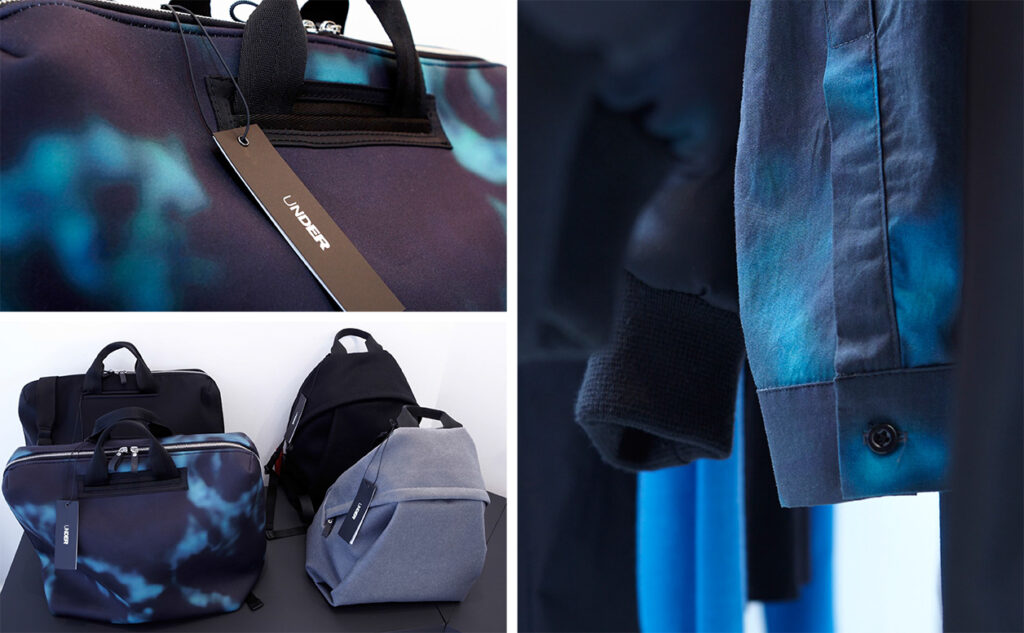
We didn’t want the collection to become entirely black, because that would have been the obvious interpretation of Underground.
Black was obviously there and important, but subculture has never really been monochrome. Punk used incredibly strong colour and graphic imagery, and later you have rave culture where colour becomes even more pronounced.
The prints and brighter colours gave us another way of moving between those references without being tied to one particular scene or period.
UNDER: Leather has always been closely connected to Underground. How did you approach the leather goods?
Sam:
Leather was unavoidable really, because it has such a long relationship with subculture, bikers, rock ‘n’ roll, punk and so on.
But again, we didn’t want to simply repeat the obvious black leather references. We used black and white, but we also introduced much brighter leathers.
Putting those colours into more considered bags and accessories changed the way you read the material. There was still something punk about them, but there were also references to rave and club culture.
UNDER: The project eventually became a complete collection rather than a small experiment. Was that always the intention?
Sam:
It developed. Once we’d established the language, it became obvious that it could extend across different categories.
We had outerwear, jersey, knitwear, bags and accessories, so you could see the idea being tested in different ways.
That was important because it made UNDER feel like a complete proposition rather than a capsule or a graphic exercise. You could walk into the showroom and understand the world around it.
UNDER: Why did you choose Paris to present it?
Sam:
Paris gave us the right international context, but we didn’t want to put UNDER into a trade show or a large multi-brand showroom where it would just become another rail of clothes.
We wanted to control the environment.
The showroom on Rue de Thorigny gave us that opportunity. Being in the Marais also felt appropriate because there was already this combination of fashion, art and culture around you.
The space itself was very contemporary, which worked well against some of the references in the collection.
UNDER: Underground was shown in the basement while UNDER occupied the ground floor. Was that deliberate?
Sam:
Yes, and there was a nice irony to putting Underground underground.
But more importantly, it allowed the two things to be seen together without pretending they were the same thing.
They came from the same place culturally, but they had different purposes. Underground was the established brand and UNDER was examining some of that same territory through another lens.
The building made that relationship very easy to understand.
UNDER: Looking back at Study 001 more than a decade later, how do you see it now?
Sam:
What’s interesting is that it doesn’t feel like an isolated collection when you look back at it. A lot of the questions we were asking then are still relevant.
How do you work with subcultural references without simply copying them? How do you acknowledge where something came from? How do you take something familiar and move it somewhere else?
The individual outcomes obviously belong to 2013, but the process behind them still makes sense.
UNDER: Is that perhaps the most important legacy of Study 001?
Sam:
I think so. The collection was one result, but the more interesting thing was the method it established.
Start with something you’re genuinely interested in. Look at the source rather than the version of it that’s already been recycled through fashion. Understand why it mattered, experiment with it, and then see where that takes you.
You don’t necessarily know what the outcome is going to be when you start.
And I think that’s probably what UNDER should be.
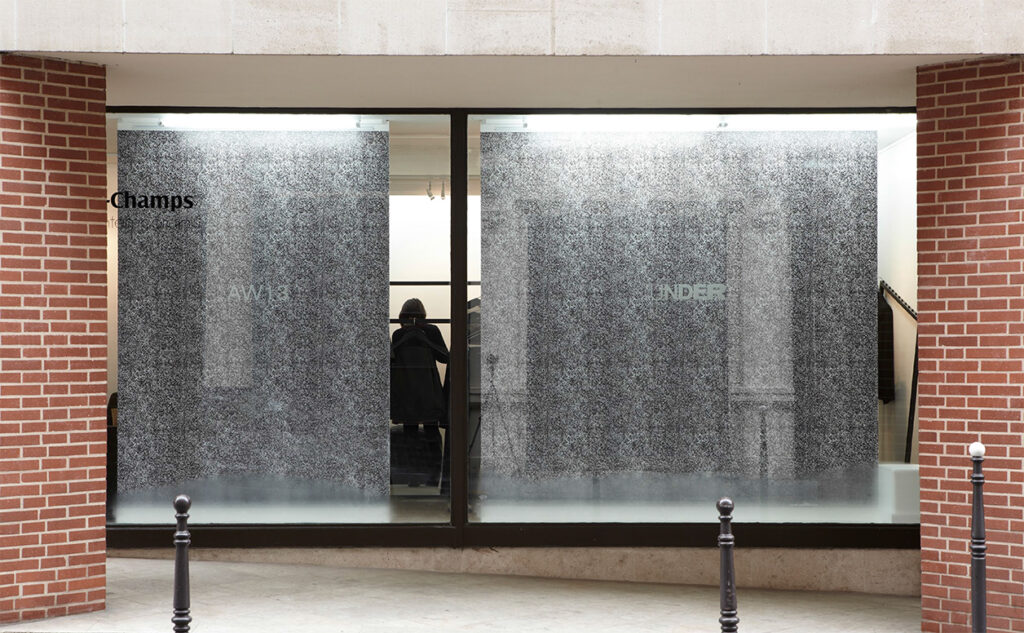
THE PARIS SHOWROOM
For its international presentation, UNDER went to Paris during Fashion Week in January 2013.
Rather than joining a multi-brand showroom or presenting at a trade show, we wanted UNDER to exist within an environment of its own. We selected the RM showroom on Rue de Thorigny in the Marais, a location that combined the cultural character of the neighbourhood with a stark, contemporary showroom space.
The building also allowed us to physically express the relationship between UNDER and Underground.
UNDER occupied the ground floor.
Underground was presented below, in the basement.
Two expressions of the same cultural lineage, connected within a single space.
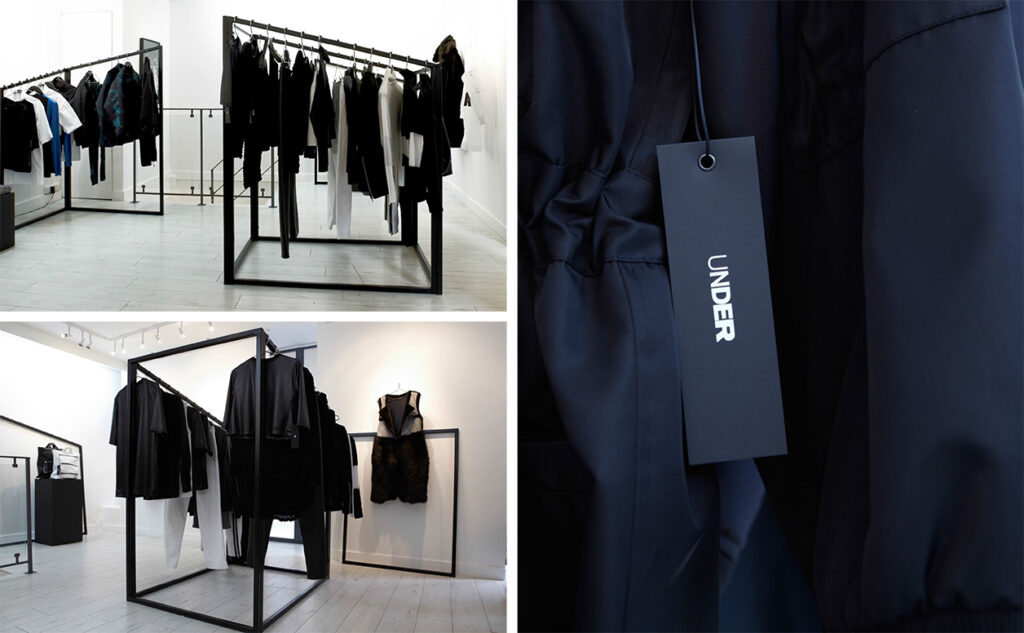
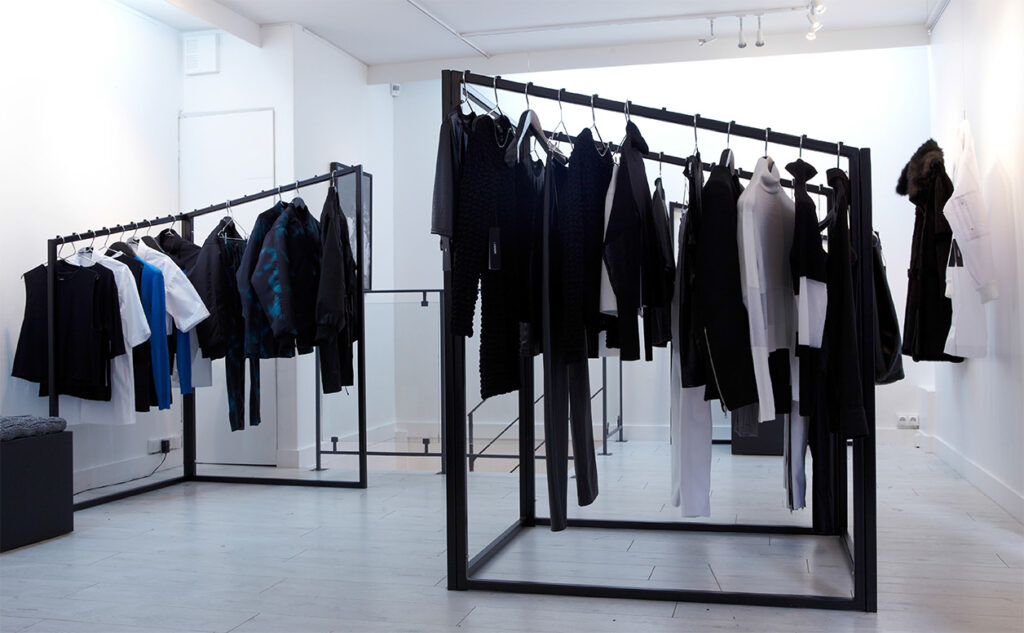
THE OUTCOME
An UNDER Study begins with a question rather than a product brief. What emerges from that investigation can take different forms: garments, footwear, objects, imagery, documentation and ideas.
We refer to these as the outcomes of the study.
For Study 001, those outcomes formed a complete collection distinguished by original prints, reappropriated pattern blocks and unexpected combinations of material and finish.



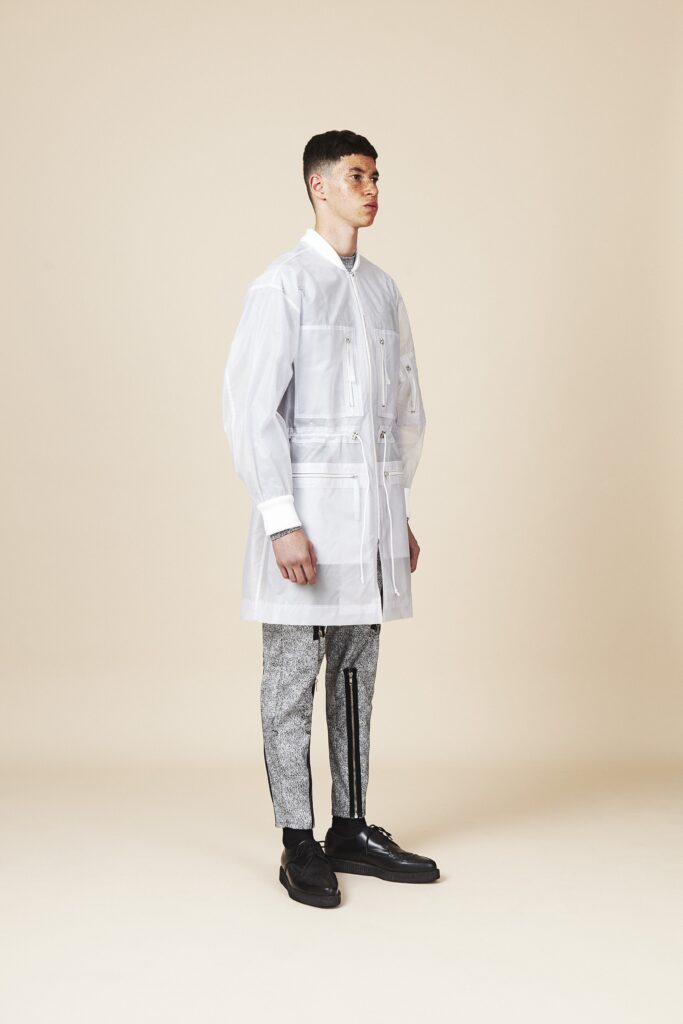

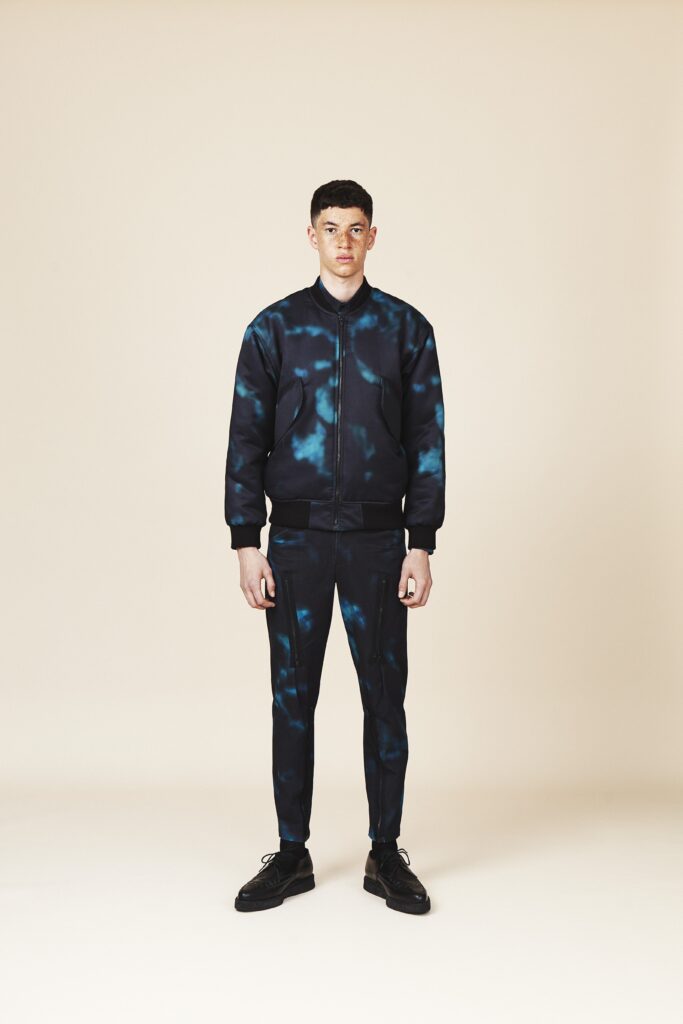
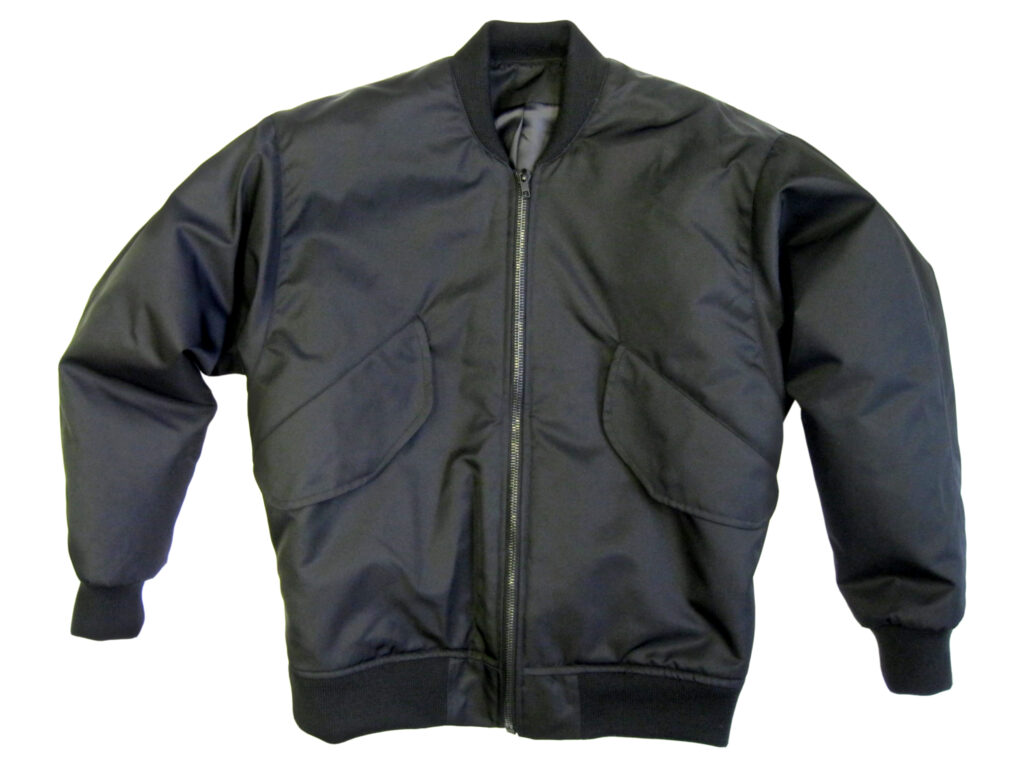
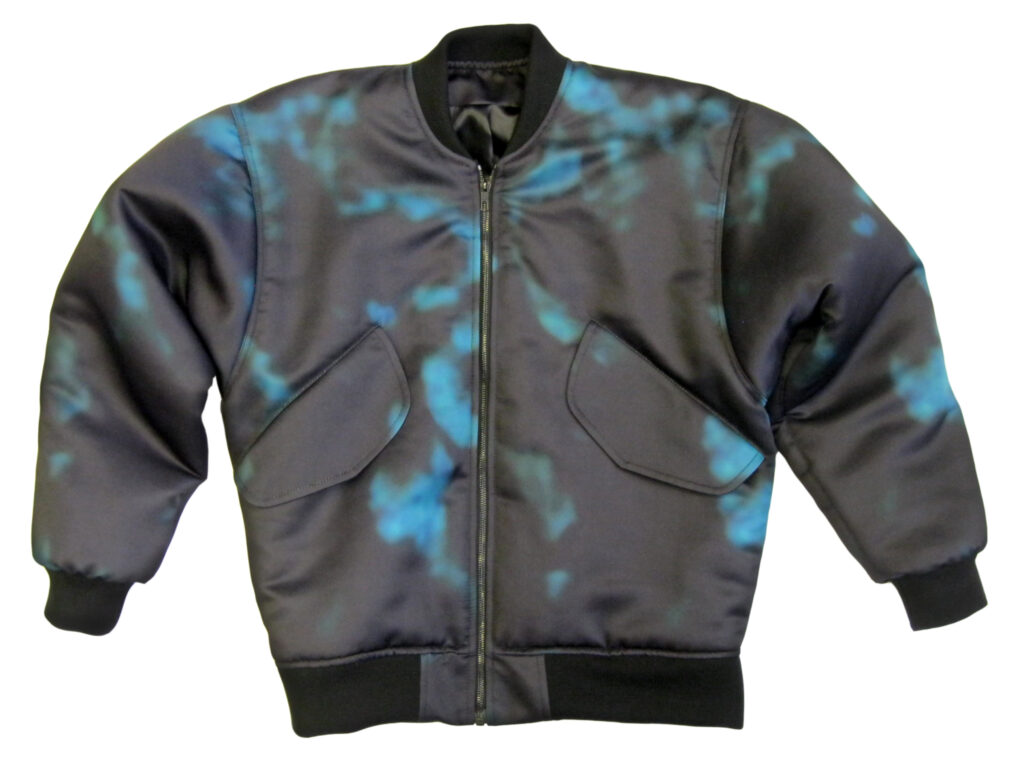
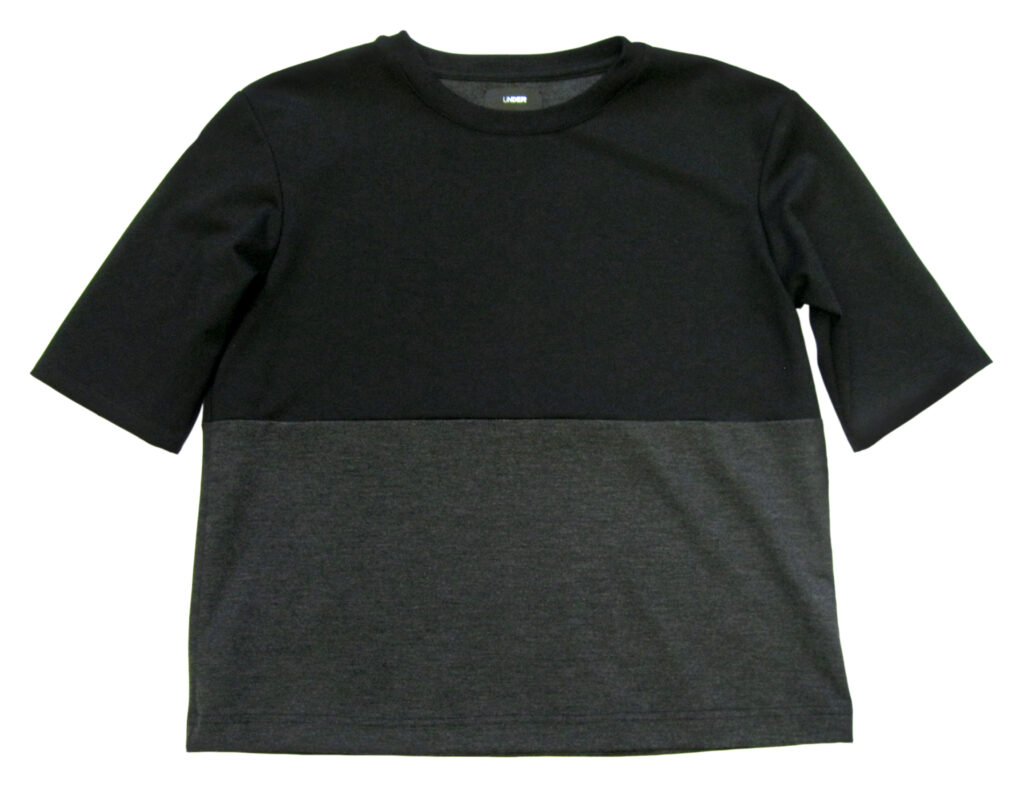
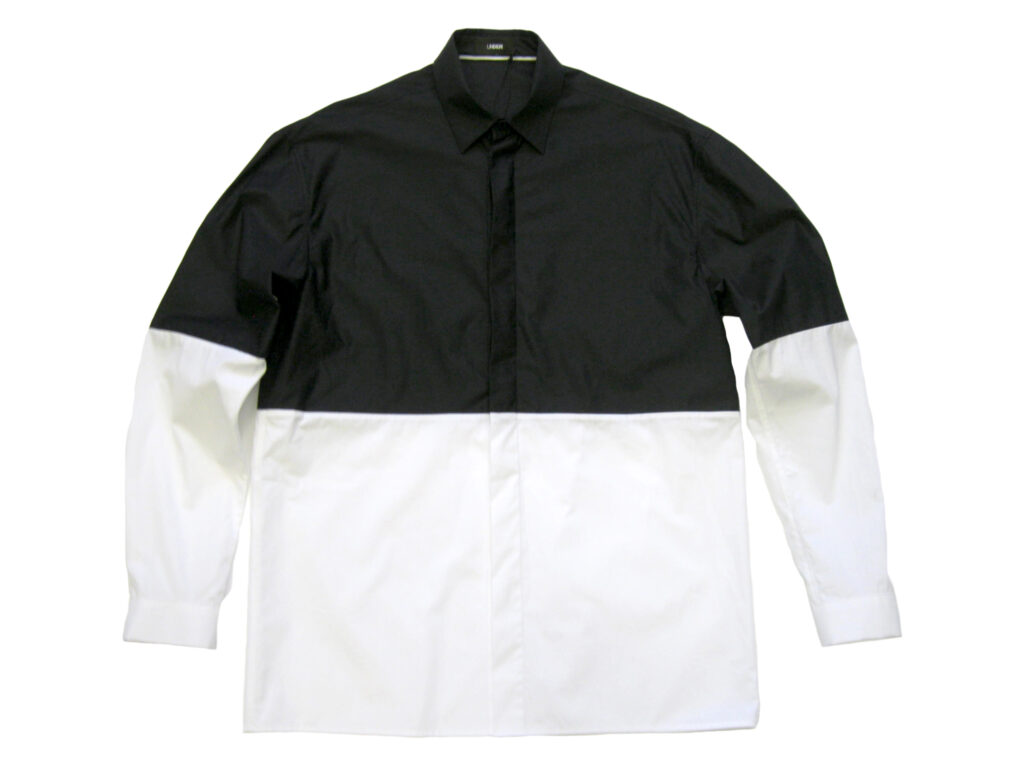
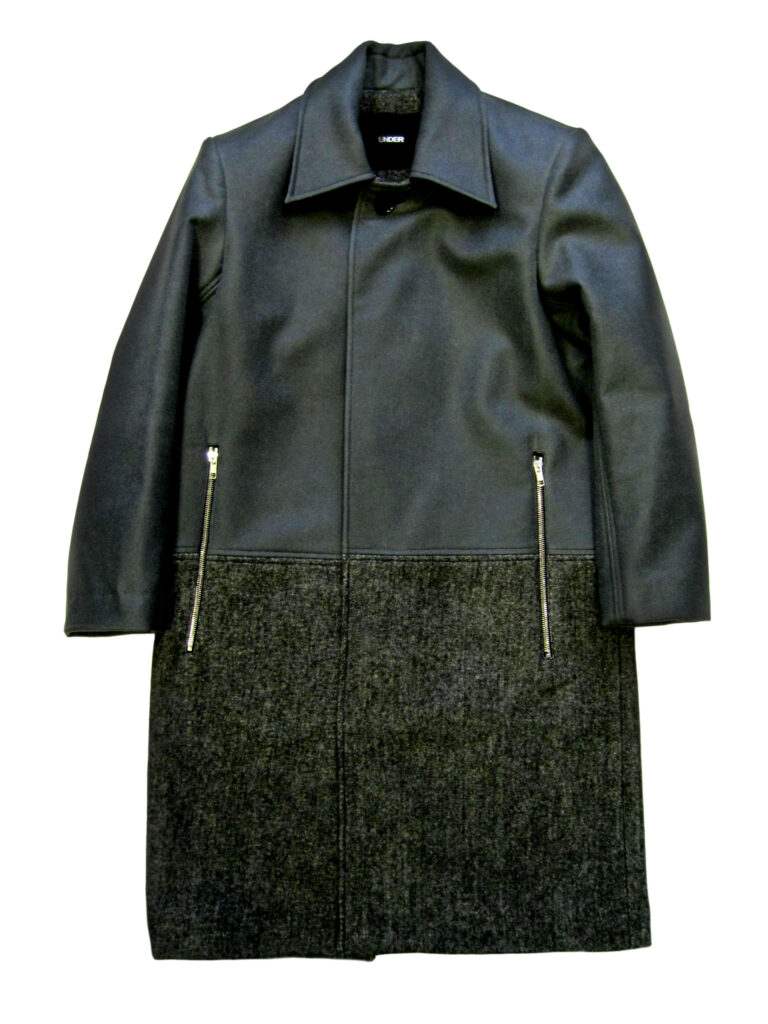
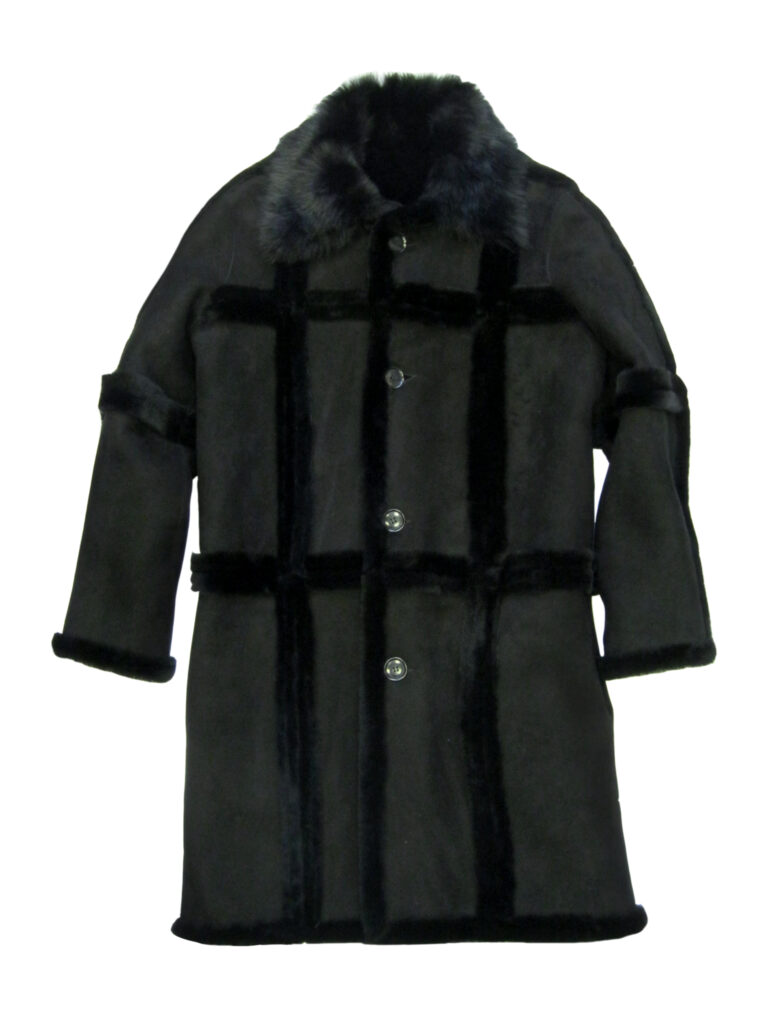
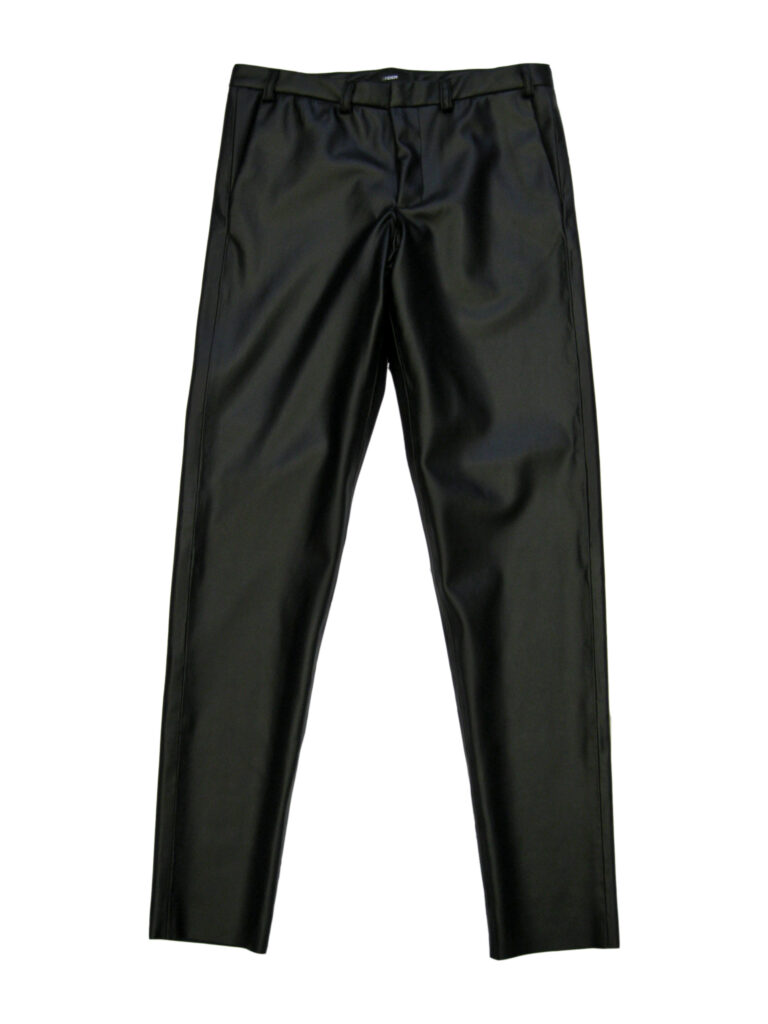
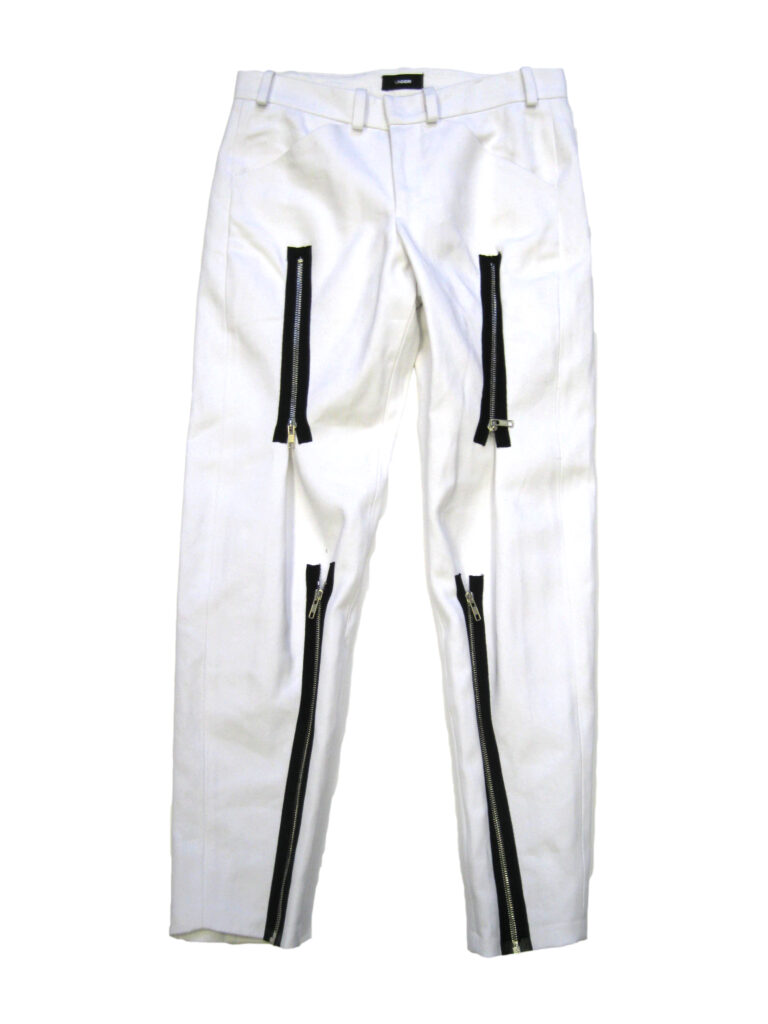
Outerwear, jersey, knitwear and accessories became different expressions of the same investigation, taking recognisable elements of subcultural dress and moving them into a contemporary fashion context.
Seen together, they form the physical record of Study 001.
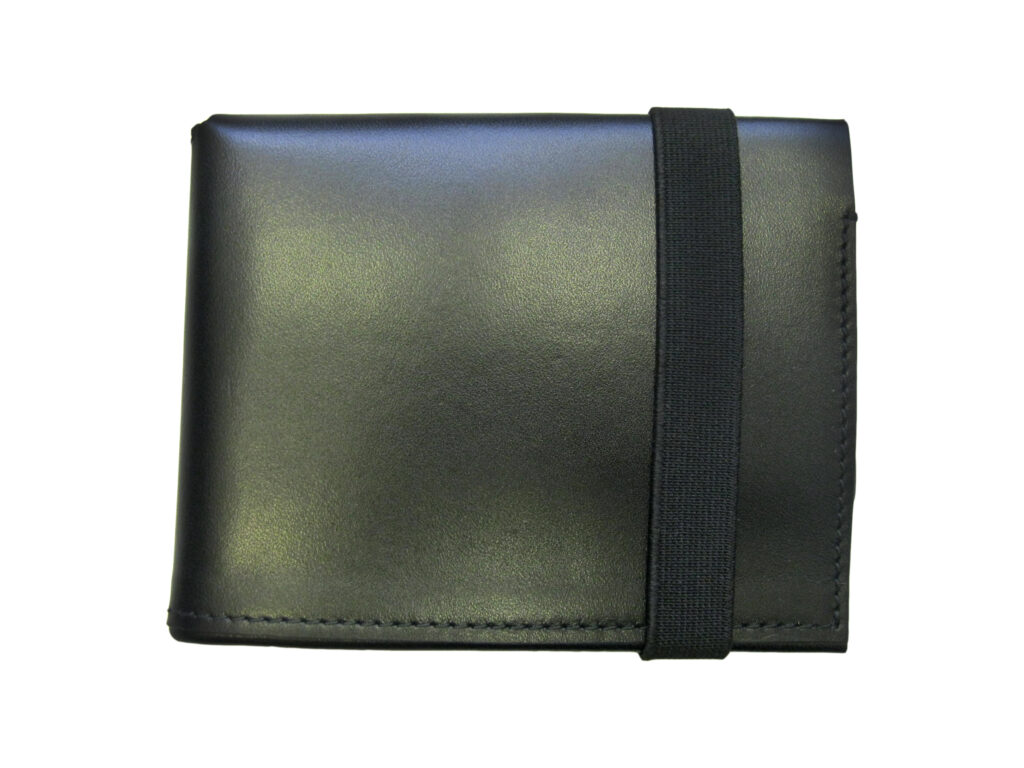
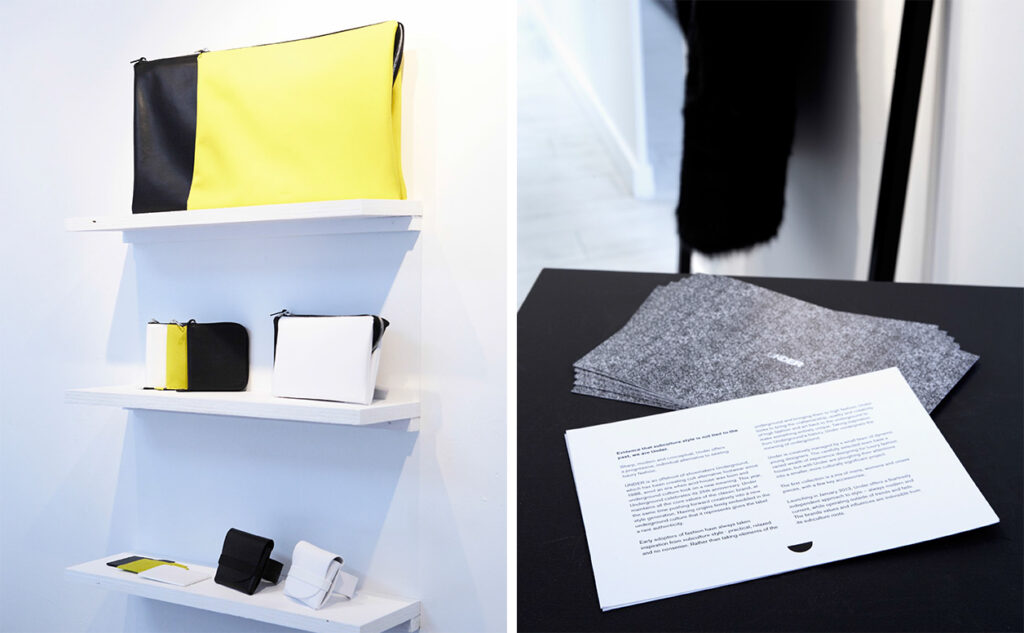
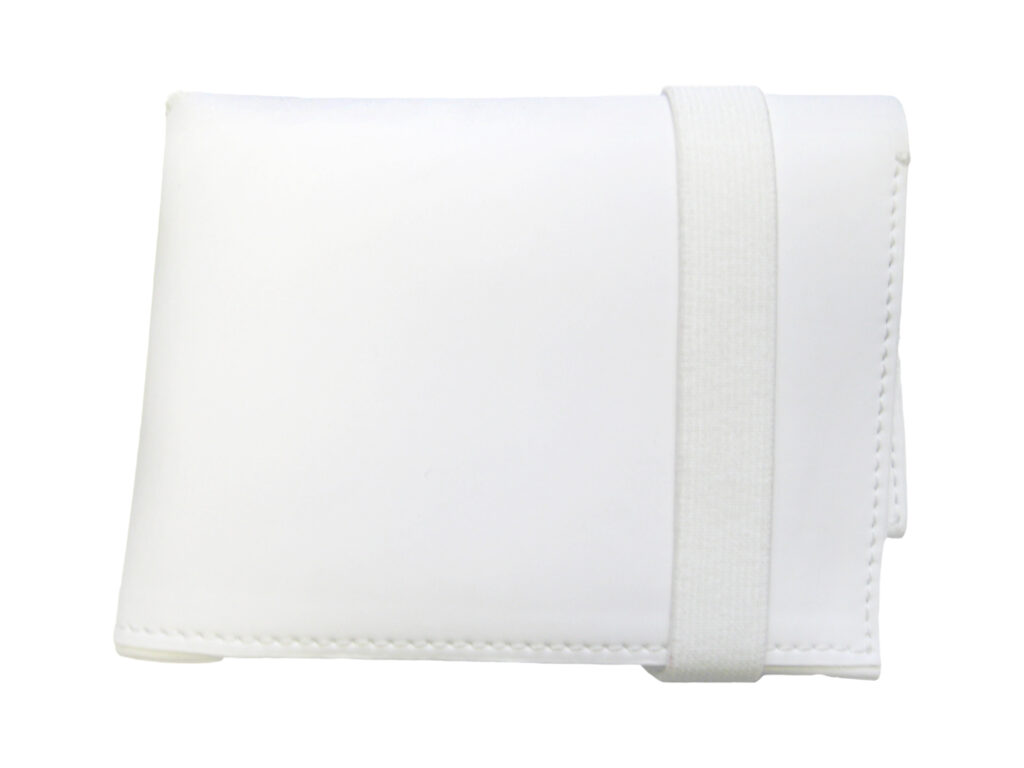
Leather has an enduring relationship with subculture. From biker culture and rock ’n’ roll through punk, post-punk and beyond, it has been repeatedly adopted, adapted and given new meaning.
For Study 001, we wanted to explore how that familiar material might translate into contemporary leather goods.
Black and white provided the obvious starting point, but the study also moved into unexpected, vivid colour. Bright leathers introduced references that moved between punk and the later visual language of rave culture.
The resulting bags and accessories took something familiar and shifted its context, retaining the attitude of their references while presenting them through a different level of construction and finish.
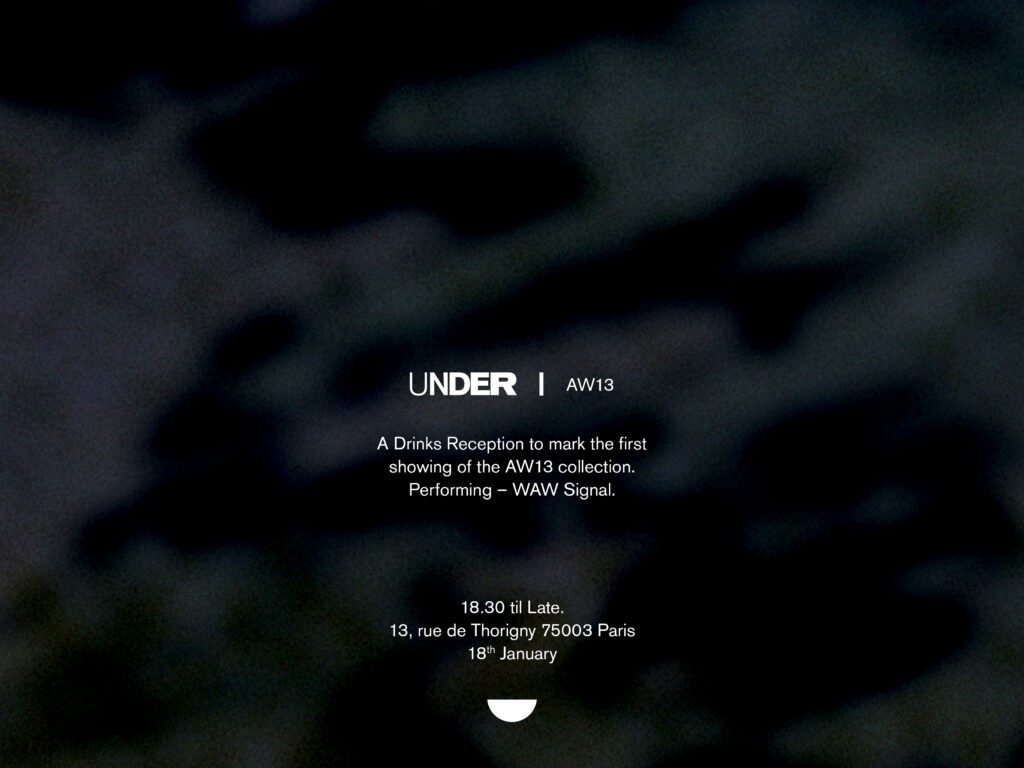
Study 001 was presented to buyers and press on 18 January 2013, with a reception at the UNDER showroom in the Marais.
The presentation brought together buyers from Europe, the United States, Japan, Korea, Hong Kong and Australia, introducing UNDER internationally for the first time.
More than the launch of a collection, Paris represented the first public expression of the ideas behind UNDER and the beginning of the project as a distinct area of investigation within Underground.
Looking back, Study 001 can be understood as a statement of intent.
It asked how a brand rooted in subculture could engage with its influences without simply reproducing them: how the materials, attitudes and visual codes associated with underground culture might be researched, respected and moved forward into a contemporary setting.
The study established an approach that remains central to UNDER: begin with the source, investigate its context and allow the research to determine what follows.
Study 001 was never intended to provide a definitive answer to what the underground is.
That would have contradicted the premise with which it began.
The Underground is Never Known.